


Cabin Luggage Size Guide
Understanding 55×40×20 cm and 55×37×23 cm
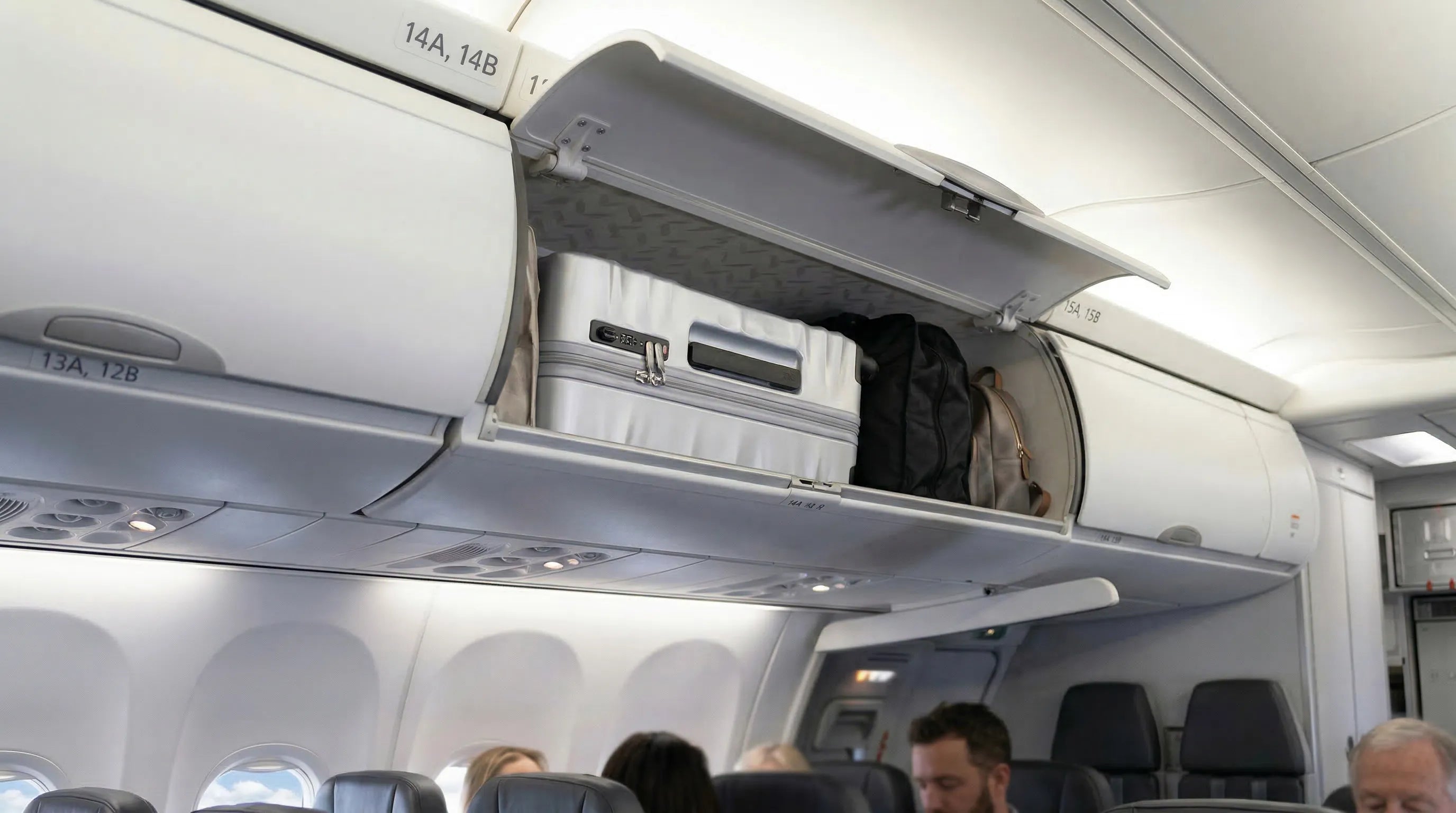
Cabin luggage is designed to travel with you inside the aircraft cabin instead of being checked into the cargo hold. Choosing the correct cabin size is important, because every airline has strict rules on dimensions and weight. A suitcase that exceeds the allowed measurements may be refused at the gate or require an additional fee.
The two most widely accepted cabin luggage sizes in Europe are 55×40×20 cm and 55×37×23 cm. Openwater designs its cabin luggage around these formats to maximize compatibility across international airlines.
55×40×20 cm Cabin Luggage – The Low-Cost Airline Standard
The size Cabin Compact 55 × 40 × 20 cm has become the standard cabin luggage format for many European low-cost and leisure airlines. This format is often required when traveling with a paid cabin bag or priority boarding.
Airlines that commonly allow 55×40×20 cm cabin luggage include:
-
Ryanair (priority cabin bag)
-
Vueling
-
TUI Airways
-
Volotea
-
TAP Portugal
-
Some Iberia / Vueling operated flights
These airlines typically allow a one cabin bag with these maximum dimensions.
The advantage of the 55×40×20 format is that it fits within stricter overhead bin requirements used by many budget airlines. Travelers who frequently fly low-cost carriers often prefer this format because it minimizes the risk of paying additional baggage fees.
55×37×23 cm Cabin Luggage – Optimized for Network Airlines
Many full-service airlines allow slightly deeper cabin luggage, typically around 55×40×23 cm. Openwater’s Cabin Plus 55×37×23 cm format is designed to stay within this broader category while keeping the suitcase balanced and easy to maneuver.
Airlines that commonly allow cabin bags up to 55×40×23 cm include:
-
Scandinavian Airlines (SAS)
-
Lufthansa
-
Brussels Airlines
-
Norwegian
-
Finnair
-
Swiss
-
Turkish Airlines
These airlines usually allow one cabin bag plus a personal item such as a laptop bag or handbag.
Because of the extra 3 cm of depth, luggage in this category offers slightly more packing volume, making it ideal for longer trips or business travel.
Why Cabin Luggage Sizes Differ Between Airlines
Airlines use different aircraft types and overhead bin configurations, which is why there is no universal cabin luggage size worldwide. Budget airlines often use tighter measurements to maximize cabin space and boarding efficiency, while legacy airlines typically allow slightly deeper bags.
Typical cabin luggage rules include:
-
Maximum height around 55 cm
-
Width between 35–40 cm
-
Depth between 20–23 cm
Some airlines also allow an additional personal item, such as a laptop bag or handbag, which must fit under the seat.
Choosing the Right Cabin Size
If you mainly fly low-cost European airlines, the safest choice is a suitcase designed for 55×40×20 cm.
If you mostly travel with full-service airlines, a slightly deeper suitcase such as 55×37×23 cm offers more packing capacity while still fitting most cabin restrictions.
Openwater offers both cabin formats to match real airline usage patterns, giving travelers flexibility without compromising cabin compatibility.